
How to Repressurize a Reverse Osmosis Tank: PSI Setup Guide
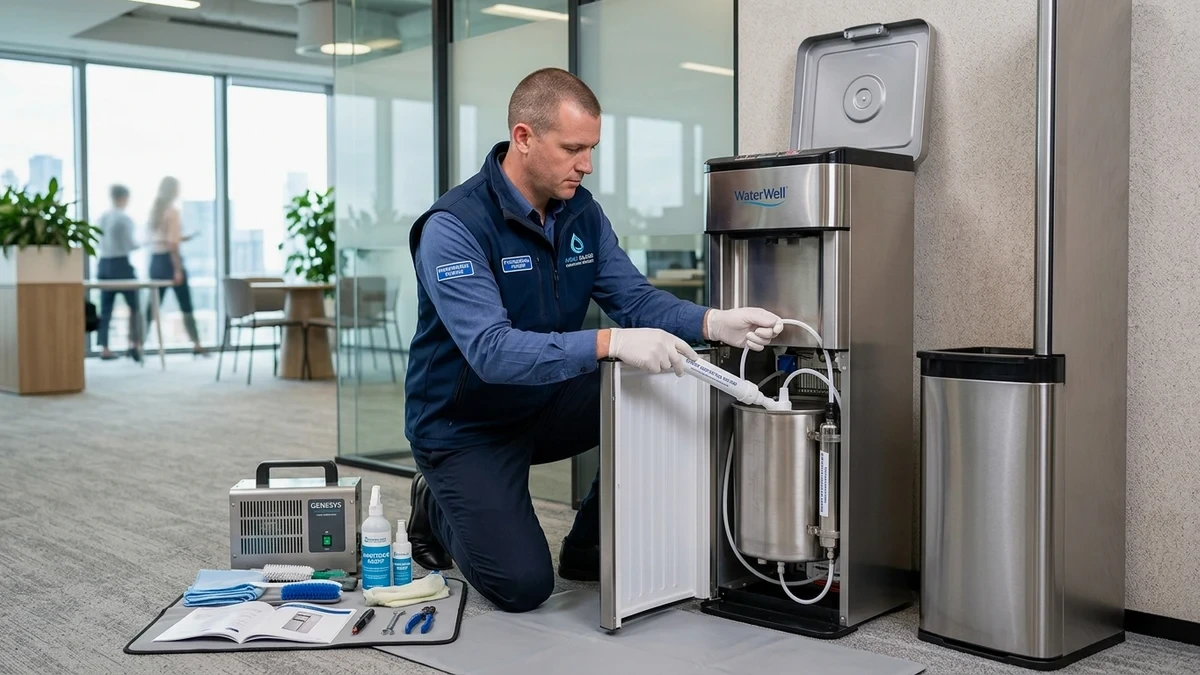
Why Reverse Osmosis Tanks Lose Pressure Over Time
Reverse osmosis filtration systems rely on a hydropneumatic pressurized storage tank rather than electricity to push pure water up through your sink faucet. Inside the metal or composite tank, an internal butyl rubber diaphragm separates purified water from an air cushion. Over 2 to 3 years of continuous filling and emptying, this air charge gradually dissipates through the Schrader valve, resulting in weak pressure and dramatically reduced usable water volume.
⚡ Symptoms of a Depressurized RO Tank
- • Heavy Tank but No Water Output: The tank feels completely full and heavy when lifted, yet only a single cup flows from the tap.
- • Water Escaping from the Air Valve: Pressing the Schrader valve pin expels water droplets instead of air, indicating a ruptured internal diaphragm requiring tank replacement.
- • Continuous Drain Gurgling: The RO shut-off valve fails to seal because the tank never reaches hydraulic backpressure shut-off point (~40 PSI).
Step-by-Step Repressurization Procedure (6 to 8 PSI Target)
To safely repressurize your storage tank without rupturing the diaphragm, follow these technical guidelines:
- Isolate Feed Water: Close the cold water supply angle valve under the kitchen sink.
- Empty Water Completely: Open the dedicated purified water faucet and let all remaining water drain out until the flow ceases completely.
- Measure Pressure with Digital Gauge: Unscrew the blue Schrader valve cap at the base of the tank. Use a digital tire pressure gauge. An empty tank must read between 6.0 and 8.0 PSI (0.41 - 0.55 Bar).
- Pump Carefully: Use a standard bicycle hand pump with a pressure gauge. As you pump, additional stagnant water will be forced out of the open faucet. Continue pumping until the tank is 100% empty and holds steady at 7 PSI.
Need Professional On-Site RO Tank & Filter Service in Istanbul?
Our English-speaking mobile technicians test tank pressure, replace ruptured bladders, and test water TDS across all 39 Istanbul districts.
Troubleshooting Common Air Pressure Mistakes
Over-pressurizing an RO storage tank is just as detrimental as under-pressurizing it. If you pump 15 or 20 PSI into the bladder, the incoming water pressure will struggle to push the rubber diaphragm back, drastically reducing the tank's storage capacity from 10 liters down to less than 2 liters.
🛠️ Quick Troubleshooting Matrix:
- • Target Pressure: Exactly 7.0 to 8.0 PSI measured when the tank is completely drained of water.
- • Air Escapes Repeatedly: If the pressure drops back to 0 PSI within a week, the Schrader core is loose or the internal bladder has micro-perforations.
- • Professional Replacement: Emniyet Servis carries NSF-certified antimicrobial steel and composite pressure tanks in stock across all Istanbul service vehicles.
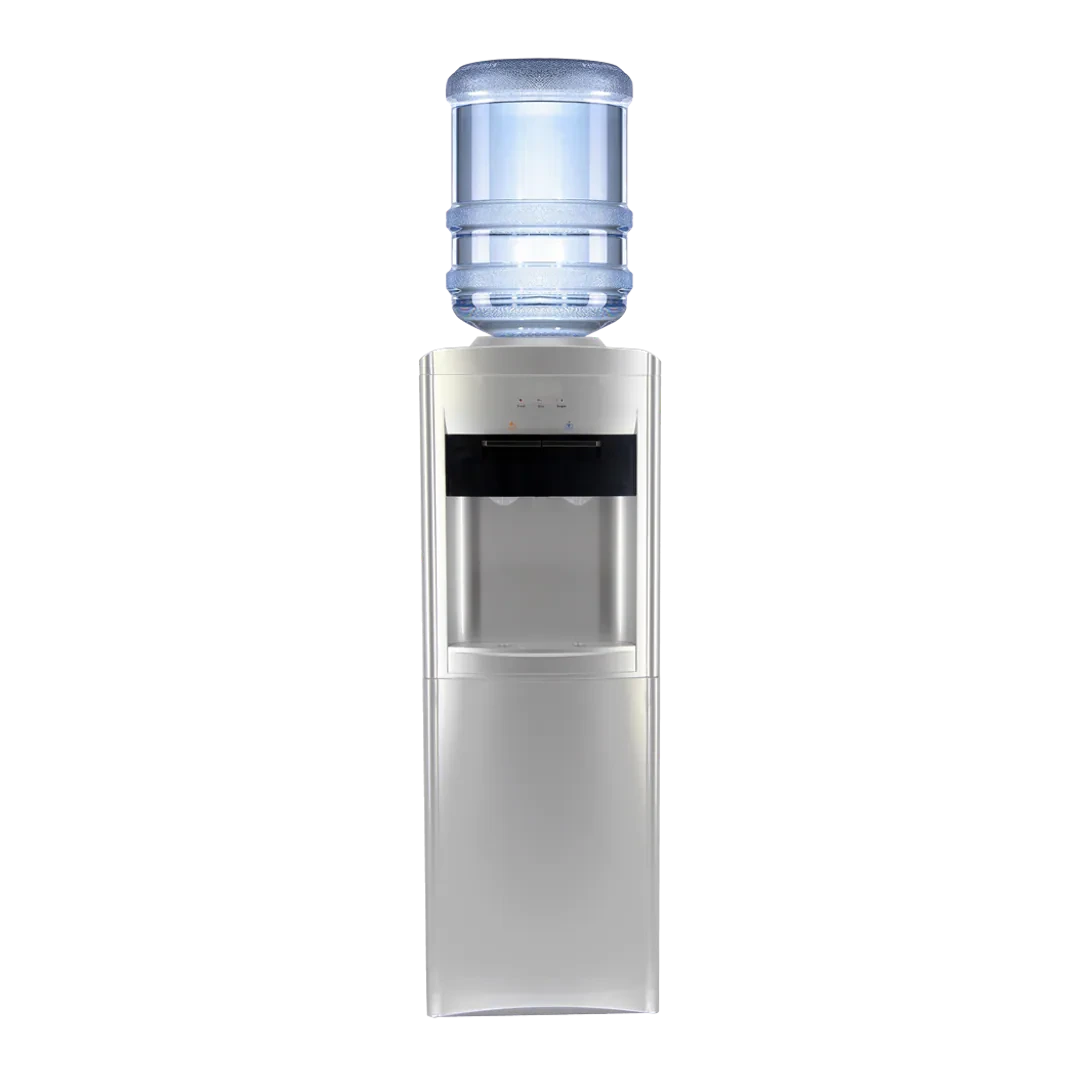
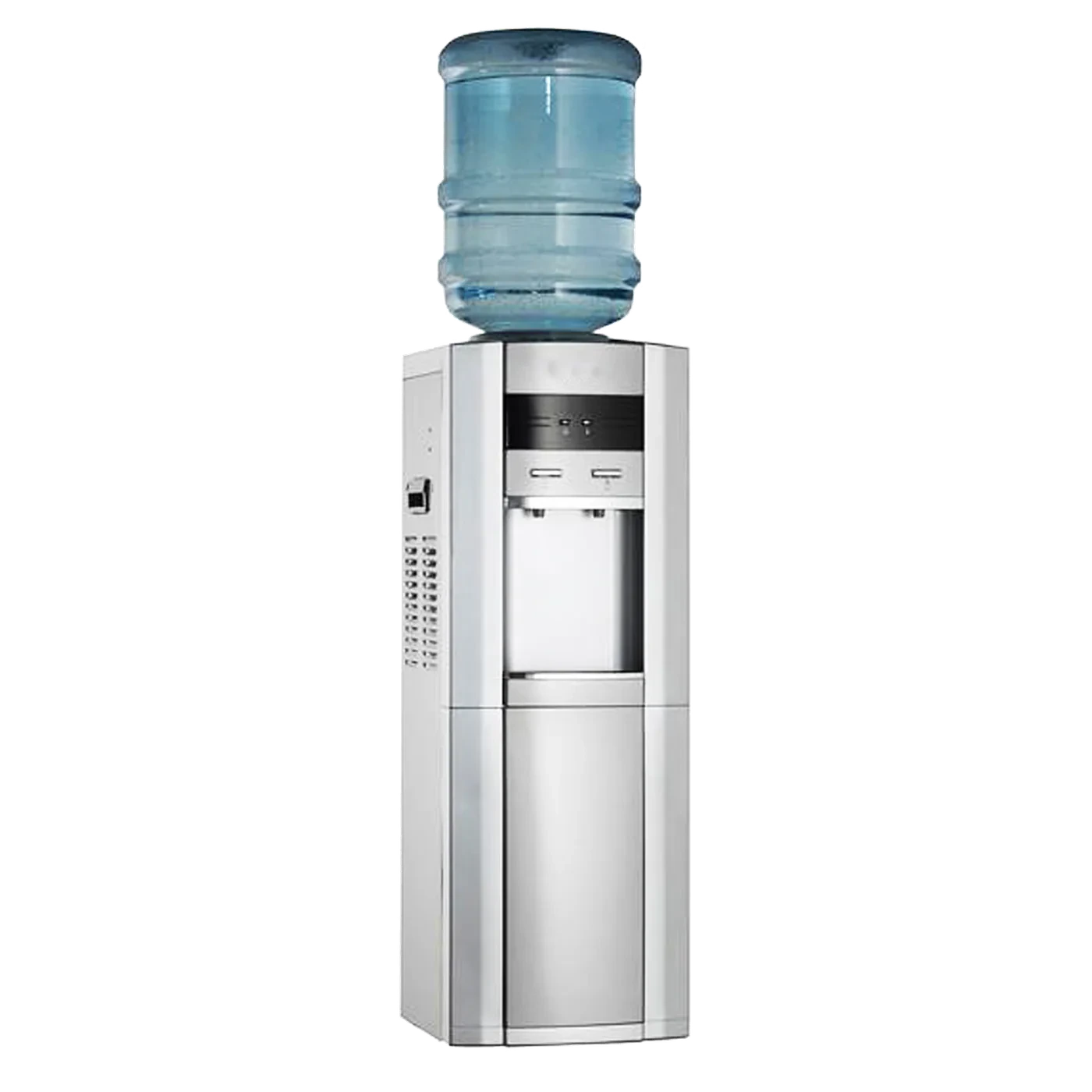
Looking for a Reliable Cooler? Choose Certified 2nd-Hand with 1-Year Warranty!
Fully overhauled in our Istanbul workshop, sanitized with medical-grade ozone, and delivered same-day across European and Asian districts.
Need Water Cooler Repair, Ozone Sanitization or Filter Service?
English-speaking technicians serving residential & corporate clients across all 39 Istanbul districts.
Related Guides & Technical Insights
Commercial Reverse Osmosis Guide: Pure Water for Facilities
Detailed engineering guide on commercial reverse osmosis systems, antiscalant dosing, duplex water softeners, and pure water infrastructure for manufacturing plants in Istanbul.
Residential Water Purifier Buyer's Guide in Istanbul: RO
Moving into a new apartment or villa in Istanbul? Comprehensive guide to choosing between pumped and non-pumped reverse osmosis, mineralization filters, and compact under-sink systems.
Request Quick Service
Immediate technician dispatch across Istanbul within 15 minutes